RESEARCH & INNOVATION
Designed from evidence. Not assumptions.
At Future Village, research is fundamental to how we develop and refine our green infrastructure. We combine scientific testing, practical engineering and real-world project data to understand how our systems perform and how they can perform better.
Through our partnership with the University of Technology Sydney (UTS), supported by the NSW Government's Small Business Innovation & Research program, we have investigated how modular green infrastructure can reduce urban heat, improve thermal comfort and make greening existing hard surfaces more practical.
Our research extends to water-efficient growing systems, biodiversity and the social and economic benefits of better public spaces. These findings help inform smarter product design, plant selection and installation methods, delivering solutions grounded in measurable performance.
35
Plant species tested
To identify cooling performance
18
Substrates tested
To optimise green infrastructure
30°C
Potential surface cooling
Up to, under modelled conditions
Source: UTS / Future Village 2025 Phase 2 Urban Heat Island research. These are study-specific results, not guaranteed performance across all installations.

1. Urban Heat Mitigation — 2025 Research
Our latest research with UTS investigated the cooling performance of modular gardens through laboratory testing, field trials and computer modelling. The findings demonstrate how vegetation, substrates and garden layouts can reduce surface temperatures and improve thermal comfort in urban environments.

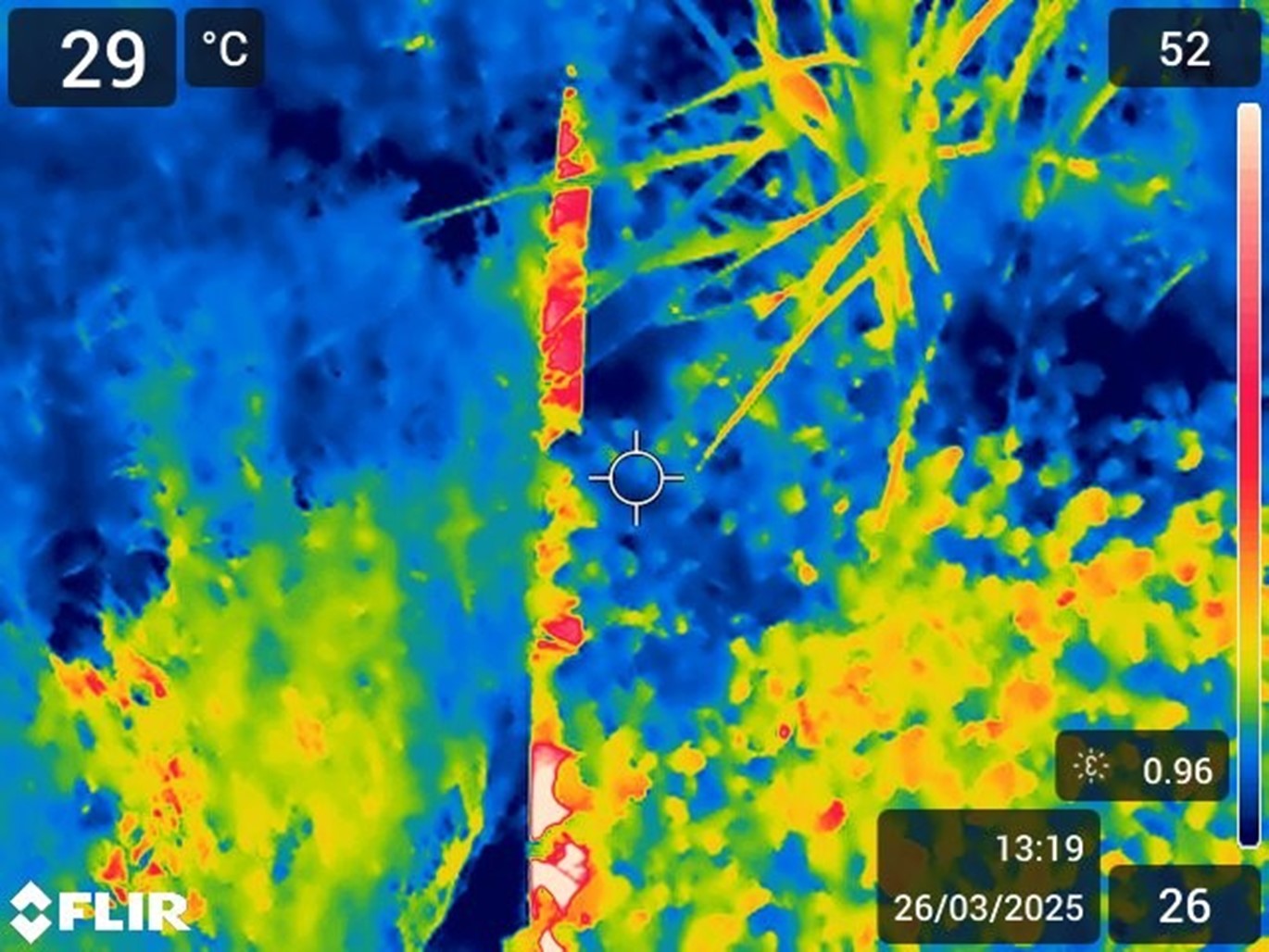
Our initial research with UTS examined how freestanding modular gardens could help reduce urban heat in existing public spaces. Field trials in Parramatta and Auburn used thermal imaging, temperature monitoring and computer modelling to investigate cooling performance and inform further product development.

Water efficiency is fundamental to our green infrastructure. Discover how integrated reservoirs and wicking technology deliver moisture directly to plant roots, helping reduce watering frequency, improve plant health and lower ongoing maintenance requirements.

4. Biodiversity Through Modular Greening
Even highly developed urban spaces can support biodiversity. By introducing vegetation and living soils onto existing hard surfaces, modular gardens can create new opportunities for pollinators, beneficial insects and urban wildlife, while contributing to healthier local ecosystems.

Successful public spaces deliver benefits beyond physical improvements. Explore research, council evaluations and project data examining how street activation, greenery and public space improvements can influence community engagement, local economic activity and the use of urban spaces.

Explore presentations from Future Village and UTS researchers sharing the science behind urban cooling, the performance of green infrastructure and practical examples of research being applied in the built environment.


